Congratulations, Queensland, on your ‘In Plain Sight’ report. I hope every state follows these recommendations.

I want to begin by congratulating the Queensland Family and Child Commission for producing the In Plain Sight report. It is a thorough and important piece of work that highlights something many of us have known for a long time:
- Child sexual abuse is preventable through education.
- Prevention must be a core part of how we keep children safe.
My hope is that every state and territory takes these recommendations seriously and looks closely at how we can create consistent, practical safety education across Australia.
For more than three decades, I’ve worked with children, families, educators and communities. What I see reflected in this report matches what I’ve seen in classrooms and early learning settings every day: prevention works best when it’s simple, consistent, and part of everyday learning and family life.
Below, I’ve broken down three key recommendations from the report and explored how Safe4Kids already aligns with them. My intention here is not to “promote” anything but to show how the work many educators and families are already doing fits neatly within these national conversations.

1. A Structured and Consistent Approach to Child Safety Education
The report highlights a major national gap. At the moment, child sexual abuse prevention education is not mandated, and the quality and consistency of what children receive varies greatly. The report notes:
“While protective behaviours are referenced in the national curriculum, there is no mandated framework or consistent approach to ensure that all children receive this essential knowledge.”
It goes on to say that without this consistency, many children miss opportunities to learn how to recognise and respond to abuse, grooming or unsafe situations. This gap is significant, and the report calls for change through Operational Recommendation 13:
It also points out that knowledge is a protective factor and that structured, universal programmes are far more effective than one-off lessons or school-by-school efforts.
How Safe4Kids aligns with this recommendation
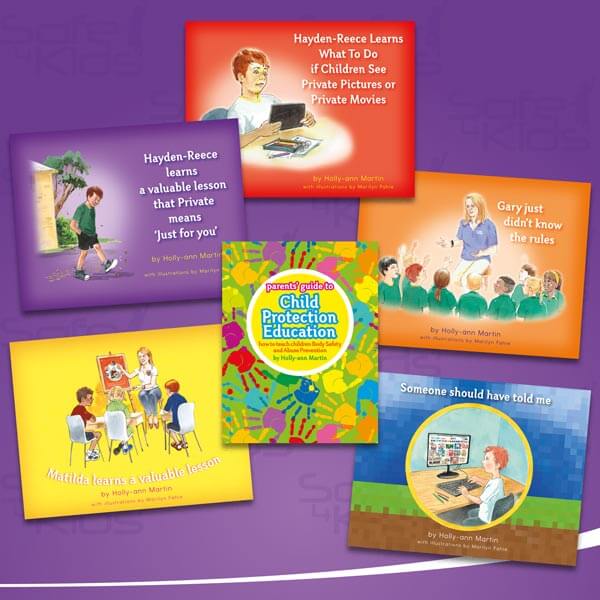
The Safe4Kids Protective Education Programme has always been built on structure, consistency and developmental sequencing. It is mapped to the EYLF, the National Quality Framework, and the Australian Curriculum, which is exactly what the report is calling for — a coherent curriculum approach that can sit safely within existing frameworks.
For example, the Safety Team lessons connect directly to foundational learning outcomes:
“Children will understand the importance of having a Safety Team of five trusted adults they can talk to when they feel unsafe.”
And lessons on Persistence in Telling sit within communication and wellbeing outcomes:
“Children are effective communicators… Interact verbally and non-verbally with others for a range of purposes.”
These are exactly the types of “age-appropriate, evidence-based” safety lessons the report calls for.
Why this recommendation matters for children
Children learn best when the adults around them speak the same language and offer the same rules. When safety lessons are only offered in some schools or delivered only when a teacher feels confident enough to attempt them, we end up with gaps, and children fall into those gaps.
A mandated, structured approach would remove those inconsistencies across Australia.
Safe4Kids already provides one way to achieve that structure. But the most important thing is not which programme is used; it’s that every child receives the same opportunity to learn how to recognise when they feel unsafe and who they can talk to, and that abuse is never their fault.
2. Empowering Parents and Carers Through Resources, Awareness and Education
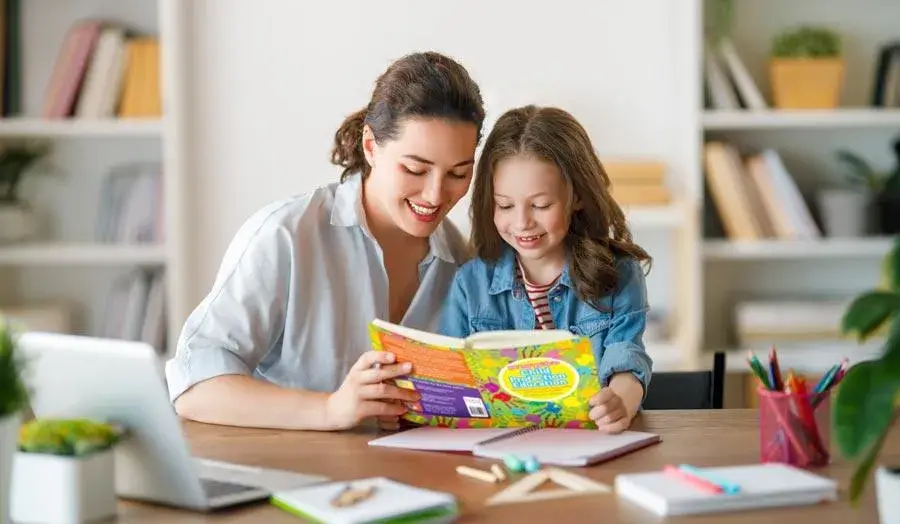
The report emphasises that parents and carers play a central role in protection. Many families want to support their children but don’t always have clear guidance. Recommendation 14 addresses this directly:
“Parent-focused education programmes play a critical role… equipping parents and carers with the knowledge, skills and confidence needed to protect children.”
The report also stresses the importance of consistent safety messages at home and in care settings:
“Strengthening protective environments… requires equipping all adults in a child’s life with the knowledge and confidence to respond to concerns.”
How Safe4Kids aligns with this recommendation
Safe4Kids includes a strong parent education component because families are children’s first and most important teachers.
Online training for parents and carers
- recognise grooming behaviours
- respond safely to disclosures
- use consistent Protective Education language at home
- support children to understand their Early Warning Signs
- feel confident talking about safety without fear or shame
Safe4Kids training aligns explicitly with what the report calls for adults becoming “key agents in reducing both the opportunity for abuse and the long-term impacts of victimisation.”
Resources that reinforce the program language at home
Parents receive:
- simple phrases to use with children
- language guides
- booklets
- access to our online recordings where appropriate
This unity between home and early learning/school environments is vital. As our FAQ sheet highlights:
“Protective Education is strongest when adults work together, with educators, parents and carers all using the same simple language.”
Practical help for responding to disclosures
The report identifies a gap in how adults respond when a child seeks help. Safe4Kids provides clear steps and the four phrases adults need:
“I’m glad you told me.
I believe you.
It is not your fault.
And I’m going to do something about it.”
This responds directly to the report’s finding that many programmes fail to communicate clearly that abuse is never the child’s fault:
Safe4Kids reinforces this message in every part of the programme.
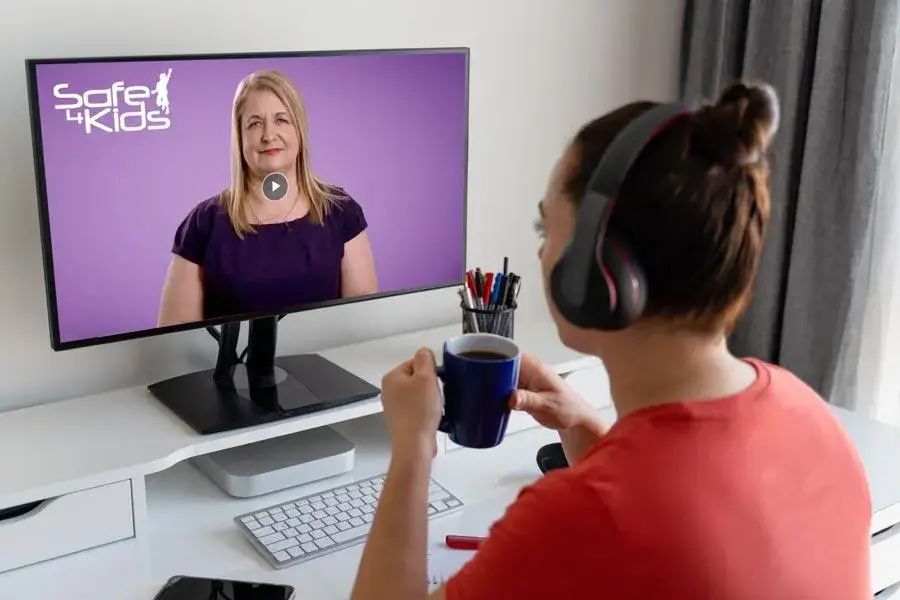
3. Strengthening Workforce Capability and Training
The report makes a strong case for a nationally consistent approach to training for anyone working with children. It recommends:
“Create a national child safeguarding training programme.”
It also highlights the need to invest in workforce capability:
“Invest more in workforce capability in child safeguarding.”
And the report stresses that safety education should be integrated into everyday learning, not reliant on individual initiative:
“Safeguarding is proactive, systematic, and integrated… rather than dependent on individual initiative.”
How Safe4Kids aligns with this recommendation
Safe4Kids has been providing high-quality educator training for more than 35 years. Our training covers:
- understanding the Protective Education framework
- teaching the concepts safely
- managing disclosures
- communicating with families
- supporting children with diverse needs
- embedding the curriculum into everyday routines
This aligns strongly with the report’s focus on building a skilled workforce that can deliver safety education consistently and effectively.
Online training for educators
Our educator and teacher courses are available online, which makes them accessible to regional, remote and busy services.
They are designed for:
- educators in childcare and early years
- primary teachers
- education assistants
- OSHC staff
- support workers
- anyone involved in children’s well-being
Training that empowers educators, not overwhelms them
fear or confusion.
Safe4Kids training teaches adults:
- calm, clear ways to talk about safety
- simple language children can use
- how to recognise and respond to Early Warning Signs
- how to support children without shame, fear or blame
This answers the report’s concern that many current programmes fail to frame safety education in a way that reduces shame and empowers children.
Safe4Kids Is Ready to Support States as They Implement These Reforms
The In Plain Sight report gives Queensland, and all of Australia, a chance to reshape how we protect children. The core message is simple:
- Children need clear, consistent safety education.
- Parents and carers must be equipped with the right knowledge.
- Educators and professionals need strong, practical training.
Safe4Kids already delivers all three.
Our work has always been about empowering children through language, not fear, and supporting the adults around them to create protective environments.
As Queensland moves towards implementing these recommendations, Safe4Kids is ready to support:
- early learning services
- schools
- government departments
- community organisations
- remote and rural communities
- culturally diverse families
The recommendations in the report give Australia a chance to move towards that kind of consistency. Safe4Kids already aligns closely with many of those recommendations, but the most important message is this:
Protective Education works best when everyone uses the same simple, clear language and when children know they can talk to someone about anything.
If these recommendations are adopted across Australia, it will mean more children learning the skills they need to recognise unsafe situations, more families feeling confident to support their children, and more educators equipped to teach this important work.
And that’s what matters most.
Warm regards,
Holly-ann Martin OAM